
May 27, 2026
tpc scottsdale scorecard, stadium course scorecard, phoenix open scorecard, tpc scottsdale yardages, golf tournament setup
Plan your round with the official TPC Scottsdale scorecard for the Stadium Course. Features yardages, pars, printable PDF, and hole strategy.
The TPC Scottsdale Stadium Course scorecard starts with the core details most players and tournament staff need: par 71 and 7,261 yards from the Championship tees. Below, you'll find a printable scorecard reference, practical strategy notes, and a hole-by-hole breakdown that helps whether you're planning a round or setting up an event.
If you're looking up the TPC Scottsdale scorecard, you're probably doing one of two things. You're either trying to decide which tees make sense for your game, or you're responsible for getting the setup right for a tournament, league day, or corporate outing. Those are different jobs, but they both start with the same requirement: accurate scorecard data.
At TPC Scottsdale, the scorecard isn't just a list of yardages. It's the operating blueprint for one of the most recognizable public tournament venues in golf. When the hole data is right, players make better decisions, carts and printed materials match the course, and live scoring works the way it should.
Welcome to TPC Scottsdale
TPC Scottsdale matters because it sits at the intersection of public golf and tournament golf. The complex opened in 1986, the Stadium Course has hosted the PGA Tour's Phoenix Open since 1987, and the event itself dates to 1933 and has been played continuously since 1944, according to the TPC Scottsdale history overview.
That history changes how people use the scorecard. A casual player may want to know which tees are realistic. A tournament director needs to know whether every printed card, score-entry screen, and pairing sheet reflects the same hole setup. At a venue like this, small data errors become visible fast.
Why the scorecard deserves a closer look
TPC Scottsdale is also a public TPC facility with two courses, which means the scorecard has practical value beyond tour-week curiosity. Players want a clean reference before they arrive. Operators need a dependable framework for tees, pars, handicaps, and event materials.
Practical rule: At a championship venue, treat the scorecard as event infrastructure, not just player information.
The TPC Scottsdale scorecard is especially useful because it supports both audiences well when it's presented clearly. The numbers tell you how demanding the course can be. The hole structure tells you where a round can change quickly.
What works in practice
When I've seen course guides help rather than confuse, they do three things:
Start with the official essentials: par, yardage, and tee options.
Keep the format usable: one quick visual for printing, one version suited to digital scoring.
Respect tournament context: hole-by-hole details matter more than a single total yardage line.
That's the approach here. You'll get the official baseline for the Stadium Course, then the strategy and setup context that most scorecard pages leave out.
Printable TPC Scottsdale Scorecard
For quick reference, the Stadium Course is built on a par 71 layout measuring 7,261 yards from the Championship tees, with a 76.4 course rating and 155 slope. Other listed tee options include 6,614 yards from the Players tees and 5,464 yards from the Forward/Ladies tees, based on the TPC Scottsdale Stadium Course scorecard listing.
If you're building a player packet, a staging sheet, or a pre-round email, this is the version of the TPC Scottsdale scorecard information people use. Keep one printable card for the golf shop and one digital copy for scoring and registration systems.
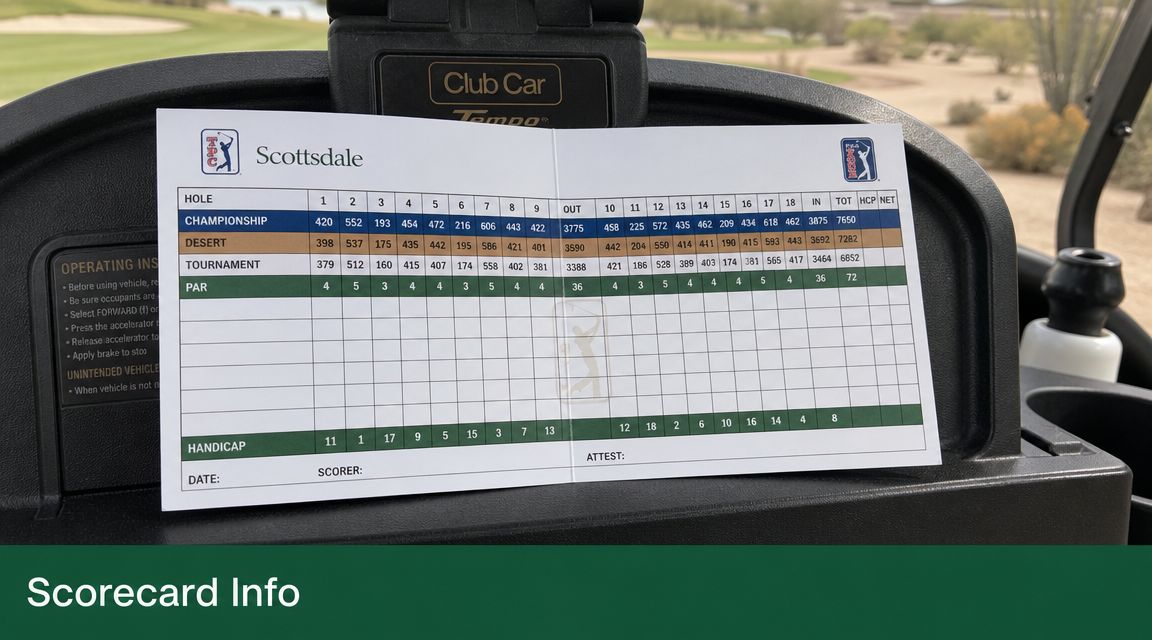
Quick-reference scorecard table
Hole | Championship | Players | Club | Forward | Par | Handicap |
|---|---|---|---|---|---|---|
1 | , | , | , | , | , | , |
2 | , | , | , | , | , | , |
3 | , | , | , | , | , | , |
4 | , | , | , | , | , | , |
5 | , | , | , | , | , | , |
6 | , | , | , | , | , | , |
7 | , | , | , | , | , | , |
8 | , | , | , | , | , | , |
9 | , | , | , | , | , | , |
10 | , | , | , | , | , | , |
11 | , | , | , | , | , | , |
12 | , | , | , | , | , | , |
13 | , | , | , | , | , | , |
14 | , | , | , | , | , | , |
15 | , | , | , | , | , | , |
16 | , | , | , | , | , | , |
17 | , | , | , | , | , | , |
18 | , | , | , | , | , | , |
Because the verified source material here supports aggregate tee lengths rather than a complete hole-by-hole numeric grid, the safest practical approach is to use the official card image for exact per-hole values and pair it with a clean digital template. If you need help formatting tournament-ready score displays, this golf scorecard guide is a useful reference.
What to pay attention to on the card
A lot of players look only at total yardage. That's not enough here.
Championship setup: Built for a demanding test and not just a long walk.
Players tees: Still substantial and often the better choice for strong amateur events.
Forward/Ladies tees: Not a token set of tees. They still create a serious golf course.
The best printable scorecard is the one players can read in five seconds and staff can trust all day.
Understanding the Course Rating and Slope
Most golfers glance at course rating and slope, then move on. Tournament staff can't afford to do that. Those two fields drive tee selection, help frame competitive balance, and influence whether players feel the setup was fair.
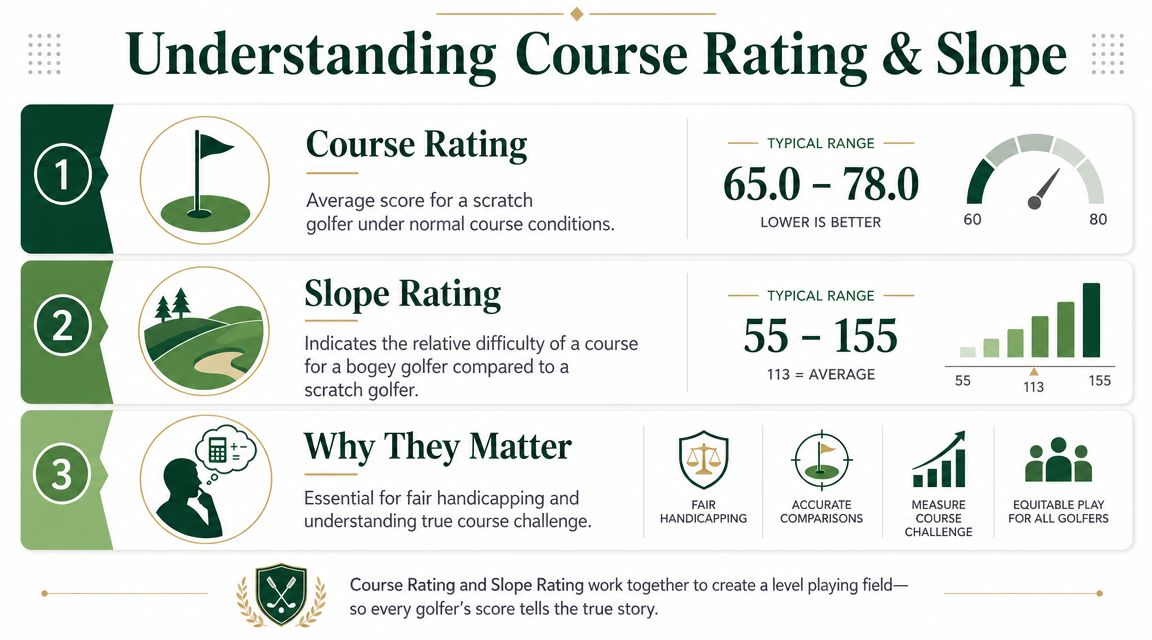
What those numbers mean in real use
Course rating is the expected score for a scratch golfer under normal conditions. Slope rating indicates how much more difficult a course plays for a bogey golfer relative to a scratch player. If you want a plain-language breakdown of those terms, this course rating explainer is worth reading.
At TPC Scottsdale, the important operational point is simple. The card signals a course that asks for committed tee selection. Staff shouldn't pick a tee set based only on what sounds prestigious. They should pick the set that produces good pace, useful competition, and a score distribution that fits the event.
How to choose tees sensibly
For an invitational with low-handicap players, stretching the course can make sense if the field expects that kind of test. For a member event, charity outing, or mixed-skill corporate day, the more successful setup is usually the one that keeps longer forced carries and long-iron approaches from dominating the experience.
A practical tee-selection process usually looks like this:
Start with player profile: Competitive amateurs and recreational players shouldn't automatically share the same setup.
Check event objective: A club championship, a sponsor day, and a fundraising scramble need different tee decisions.
Protect pace of play: A hard setup that slows every group creates more problems than it solves.
What doesn't work
The mistake I see most often is staff using the longest available tee because the venue is famous. That decision can look impressive on paper and fail once the first groups reach the middle of the front nine.
Another mistake is mixing tee assignments informally without reflecting them properly in scoring. If your printed card, mobile score entry, and leaderboard don't match the active tee set, you create confusion that has nothing to do with golf.
Visual Course Map and Layout Strategy
The Stadium Course rewards players who understand the flow of the round before they hit the first tee. That matters even more for organizers, because routing affects pace, volunteer placement, contest-hole logistics, and where pressure points develop.

Read the course as a sequence
TPC Scottsdale isn't a course where one generic strategy carries all day. It asks for phases of play. Early holes reward control and positioning. The middle portion can punish loose management. The finish changes the emotional temperature of the round, especially once players know what waits late.
If you're organizing an event, map work helps before pairings ever go out. A custom visual can make sponsor placements, nearest-to-the-pin setup, and marshal positioning cleaner. For that use case, a custom golf course map reference is helpful.
A practical layout view
Think of the course in three chunks:
Opening stretch: Players settle in, but bad decisions still cost position quickly.
Middle segment: Conservative golf often beats reactive golf.
Closing run: The energy rises, and both risk and score volatility increase.
That macro view keeps players from overreacting to one hole and helps event staff anticipate where delays and scoring swings are likely to happen.
Front Nine Hole-by-Hole Strategy Guide
The front nine at TPC Scottsdale doesn't need gimmicks. It asks for discipline. Most mistakes out there come from players trying to force birdies too early or hitting driver when the scorecard is asking a different question.
Holes 1 through 3
The opening hole should be treated as a positioning hole first. Start the round by finding the fairway and getting a clean look into the green. The player who leaves the first tee trying to “announce something” usually creates an unnecessary recovery shot.
The second hole is where many players start pressing if the opener didn't go well. Don't let one early miss turn into two aggressive decisions in a row. If you need help thinking through smart scoring decisions rather than highlight-shot golf, this guide for weekend golfers has a useful mindset for course management.
By the third, the round usually starts to reveal itself. If your ball striking feels sharp, stay patient. If it doesn't, a conservative target line offers advantages.
Pick conservative lines early. Let the course invite aggression before you offer it.
Holes 4 through 6
This section often decides whether the front side feels organized or messy. The best players don't necessarily attack every pin here. They keep the ball on the correct side of the hole and avoid compounding errors with short-sided misses.
For tournament staff, this is also a good stretch to remember how much setup influences scoring. A pin that looks routine on paper can create a much tougher effective target when paired with a certain tee box or wind direction. That's why generic scorecard summaries don't tell the full story.
A practical way to play these holes:
Off the tee: Favor the shot shape you trust most.
Into the green: Play for a makeable first putt, not a perfect one.
After a mistake: Get the ball back in play immediately.
Holes 7 through 9
The latter part of the front nine rewards rhythm. If a player has stayed in position, there's usually room to keep momentum going. If they've been scrambling, this stretch can feel longer than it looks on the card.
Hole 7 often asks for commitment more than flair. Hole 8 tends to reward players who understand where the safe leave is, even if the birdie chance looks tempting from a worse angle. At 9, the smart play is usually the one that sets up a full, comfortable approach.
What tournament staff should notice on the front
The front nine is where pace patterns begin. If groups are behind early, they rarely recover later without intervention.
Keep these details in mind:
Tee-sheet spacing matters: Pressure builds quickly when the opening holes back up.
Pin placements should fit the field: A member event isn't improved by tour-style edge locations.
Printed and digital cards must match: Any mismatch creates avoidable scoring questions before the turn.
Back Nine Hole-by-Hole Strategy Guide
The back nine is where TPC Scottsdale starts feeling like the venue people expect. It's still a public course round, but the sequence of holes creates tournament pressure in a way few facilities can match.
The broad operational point is important. The Stadium Course is a par 71 at 7,261 yards from the championship tees, and the back side includes a closing stretch of par 3, drivable par 4, and risk-reward par 4, which is why event staff need hole-specific yardage and par data rather than just aggregate course totals, as noted in this course breakdown of TPC Scottsdale.
Holes 10 through 12
The 10th asks players to restart cleanly after the turn. That sounds simple, but it isn't. Players who leave the ninth green thinking about the finish often skip over the work needed to play 10, 11, and 12 well.
These holes reward organization. Pick targets. Leave sensible angles. Don't assume the back nine starts with fireworks. It starts with a test of whether the player can stay present.
Holes 13 through 15
In this context, score management becomes more strategic. Players who are swinging well may see chances. Players who are leaking shots can still stabilize if they stop taking on low-percentage recovery lines.
From an event perspective, this stretch deserves close attention because it sets up the drama to come. If a scoring system treats the back nine as one generic closing phase, it misses what unfolds. The build toward the finish matters.
The final stretch gets the headlines, but the players who handle 13 through 15 cleanly are usually the ones who can use it.
Holes 16 through 18
The 16th is the obvious pressure point. Even outside a tour-week atmosphere, a short par 3 late in the round can create bigger score swings than players expect. The smart move is to choose a committed line and accept the result. Indecision is more dangerous than a conservative target.
The 17th changes the emotional script because it's drivable. That doesn't mean it should be driven by everyone. It means players and tournament staff have to respect multiple valid strategies. A long hitter may attack. Another player may choose position and wedge. Both can be right.
The 18th closes with a different type of risk. It's a par 4, but not one that rewards casual aggression. If a player is protecting a score, they need a tee ball that keeps the hole playable. If they're chasing, the hole gives them a chance, but it also punishes poor execution.
Why the closing data must be exact
For organizers, this final sequence is where bad scorecard setup gets exposed. If live scoring, printed scorecards, and leaderboard logic don't reflect the actual hole pars and yardages, players notice immediately. On a finish this distinctive, “close enough” doesn't hold up.
A Guide for Tournament Organizers
Tournament organizers should think about the TPC Scottsdale scorecard as a setup file, not just a golfer handout. Every operational decision starts there. Tee assignments, score-entry screens, printed materials, cart signs, and leaderboard rules all depend on the same base data being clean.
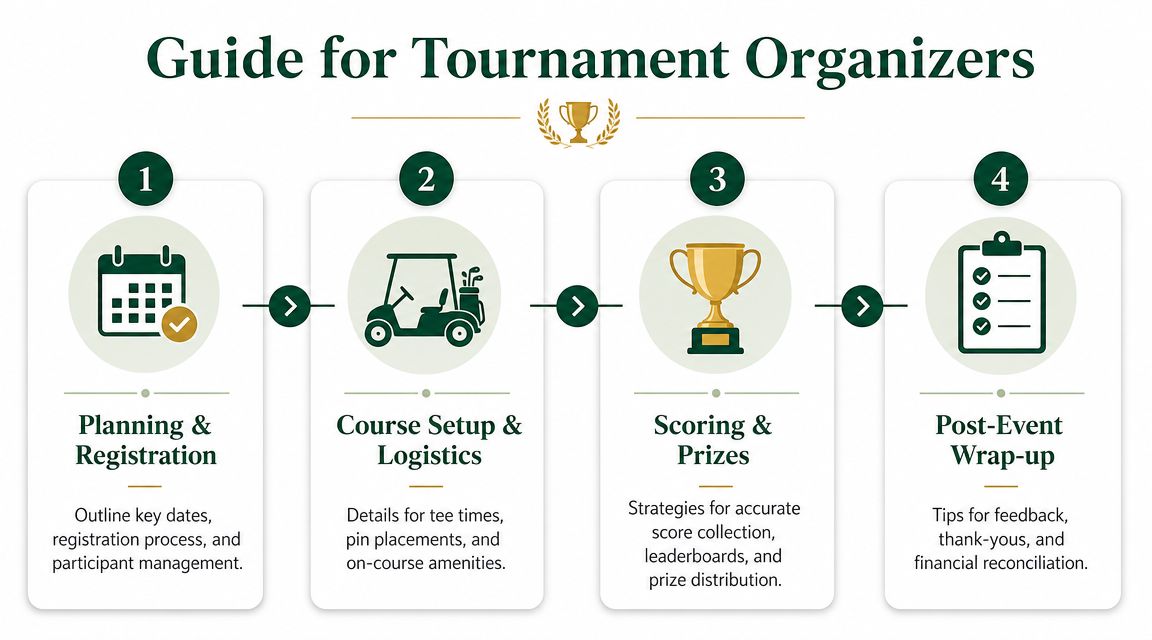
Start with the tee decision
A common event mistake is choosing tees too late. Once invitations are out and player expectations are set, changing the setup becomes harder than it should be.
Use a simple filter:
Competitive field: Choose tees that preserve shot values and reward execution.
Mixed field: Build around pace and enjoyment first.
Corporate or charity day: Keep the challenge visible, but make sure the course remains playable.
When the tee set matches the field, everything downstream gets easier.
Build your scoring structure from the hole data
On a course with a memorable finish, don't rely on one total yardage line. Enter the full hole structure into your event software so the scorecard, mobile scoring view, and leaderboard all speak the same language.
That matters in a few ways:
Gross and net scoring: Depend on correct hole pars and stroke allocation.
Printed output: Must match the active course setup exactly.
Live leaderboard confidence: Players trust the board when the hole logic is right.
If you're using tournament software, look for practical features rather than buzzwords. The useful systems are the ones that let staff set tee configurations, hole-by-hole pars and yardages, and player-facing scorecards without workarounds. Live Tourney is one example of a web-based platform that supports event scorecard setup and browser-based scoring access, which fits well when staff want digital scoring without handing players another app.
What usually breaks on event day
Most scorecard-related event issues fall into the same handful of categories:
Problem | What causes it | Better approach |
|---|---|---|
Wrong net results | Hole handicaps or pars entered incorrectly | Verify hole setup before publishing pairings |
Confused players | Printed cards and digital scoring don't match | Use one approved scorecard source |
Slow check-in | Tee data finalized too late | Lock setup before registration closes |
Closing-hole disputes | Aggregate course data used instead of hole-specific data | Enter every hole individually |
Good tournament operations feel invisible to players. That usually means the scorecard data was right from the start.
Frequently Asked Questions about TPC Scottsdale
How much does it cost to play the Stadium Course
Independent listings show a high-season Stadium Course rate of $299 from January through April and a summer rate of $75 from June through September, according to this TPC Scottsdale pricing reference. That seasonal spread matters because the scorecard means something different depending on when you play. The same yardages can feel like a premium-bucket experience in peak season and a very different value equation in summer.
When is the best time to book
That depends on why you're going. If you want the venue at its most in-demand, peak season has obvious appeal. If you're organizing a group and care more about cost control and wider access, summer may offer a more practical window.
For operators and tournament planners, timing affects more than price. It shapes turnout expectations, budget, and how far in advance you should lock player commitments.
Is TPC Scottsdale only for tour-level players
No. The course has broad appeal because the scorecard supports multiple tee options, and the property is public access. The practical issue isn't whether a player is “good enough.” It's whether they choose the right tees and approach the course with a plan.
What about the rest of the property
TPC Scottsdale has two courses, not just the Stadium Course, and that's part of why the venue is so relevant for both traveling golfers and event staff. It also stands out as one of only 14 public TPC-branded facilities with the Stadium Course hosting a major PGA Tour event, as noted in the pricing reference above. For organizers, that broader property context can matter when planning group logistics and deciding what kind of experience the event is trying to deliver.
If you're running an outing, league, or competitive event and want the scorecard, tee setup, pairings, and live scoring to stay aligned from registration through the final putt, Live Tourney is built for that kind of workflow. It gives organizers a web-based way to manage hole-by-hole scorecards, player access, and real-time scoring without adding unnecessary complexity for staff or players.





