Jun 24, 2026
golf play formats, tournament formats, golf scoring, run a golf tournament, live tourney
Explore 10 essential golf play formats, from Scramble to Match Play. Get rules, pros & cons, and tips for running a flawless golf tournament.

You've booked the course, set the shotgun time, and nearly finished the pairings. Then the part that determines whether the day runs cleanly or turns into a scoring mess shows up. You still have to choose the format.
That decision affects more than the leaderboard. It shapes pace of play, cart staging, scorekeeping, prize flights, rules coverage, and how comfortable players feel once the round starts. A format that works for a club championship can frustrate a charity field with mixed handicaps. A format that creates energy in a member-guest can also create backup on every green if the scoring method is not explained clearly.
Tournament directors who run good events treat format selection as an operations decision first and a rules decision second. The right choice makes pairings easier to build, scorecards easier to verify, and live scoring easier to manage from the first tee to the awards table.
Players also respond fast to formats they recognize. Familiar structures usually produce fewer questions at check-in, fewer card errors after the round, and fewer disputes once prizes are posted. More social formats can absolutely work, but they need tighter setup. That means clear hole-by-hole instructions, smart team construction, and a scoring workflow that staff can monitor in real time.
This guide covers 10 golf play formats from an organizer's point of view. For each one, the focus is practical execution: where it fits, how to pair the field, what can go wrong, and how to run scoring without adding work for staff or confusion for players.
1. Stroke Play (Medal Play)
The card is simple. The administration is not.
Stroke play asks one thing from players and staff all day: count every stroke correctly and post it in the right place. Lowest total wins. That sounds straightforward, which is exactly why organizers use it for club championships, qualifiers, and events where the result needs to feel clear and credible. It is also the format behind the modern professional standard, including the four men's major championships and Olympic golf.
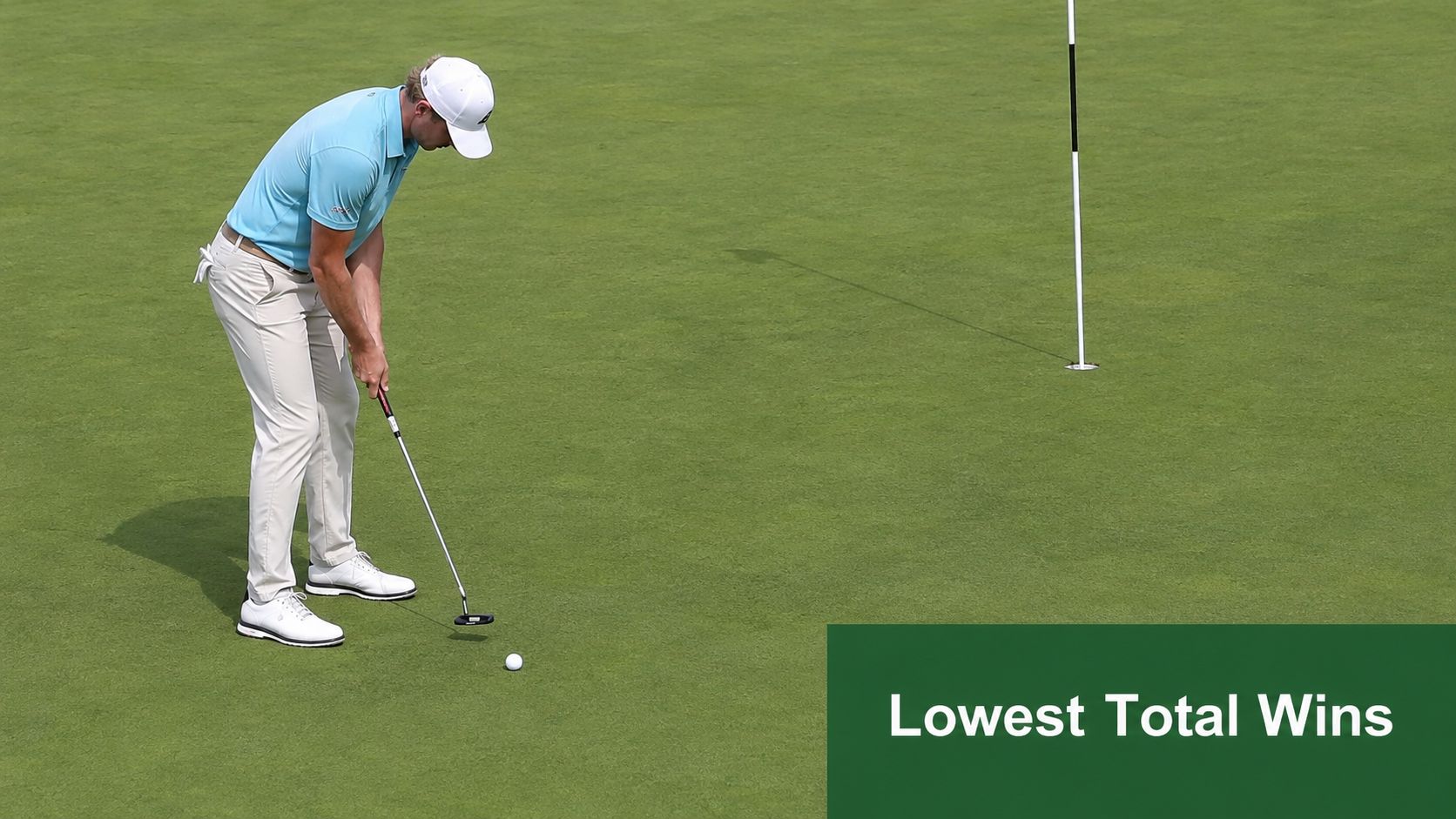
For a tournament director, stroke play works best when the field knows exactly what competition they are in before anyone reaches the first tee. Gross only, net only, or both. Championship division or flights. Ties decided by scorecard playoff or a playoff hole. If those points are vague in the notice and at check-in, staff will spend the morning fixing preventable confusion.
The history matters less than the operating reality. Stroke play remains the default because players understand it, scorecards are familiar, and the winner is easy to explain. The trade-off is that small scoring mistakes carry all the way to the final board. One wrong hole score, one missed penalty, or one unclear handicap application can affect the entire event.
How to run it cleanly
Start with the scoring model, then build pairings around the experience you want.
Set the competition in writing: Registration, confirmation emails, and printed rules sheets should all say whether prizes are gross, net, or both.
Use flights when the handicap spread is wide: A single all-field net competition can work, but flights usually produce fairer prize tables and fewer complaints.
Pair with purpose: For a championship flight, players usually prefer score-based or handicap-based groupings that feel competitive. For a charity or member event, balanced groups often help pace and reduce intimidation.
Assign one live-score entry point per group: One designated player or marker should enter hole-by-hole scores, while the full group still verifies the card at the end.
Decide how staff will resolve errors: A scoring table needs a clear process for card review, penalty questions, and scoreboard corrections before awards start.
Live scoring helps most in stroke play because the format has no natural suspense unless players can see movement. A simple hole-by-hole workflow on phones or tablets gives staff a way to spot missing scores early, monitor pace gaps, and catch obvious posting errors before the cards come in. That saves time at the scoring table, which is where many otherwise well-run events lose the room.
A municipal club championship is a good example. The low-handicap players want a legitimate gross title. The rest of the field usually wants net prizes and standings that make sense for their level. Run those as separate layers from the start, publish the terms clearly, and stroke play does what it is supposed to do. It rewards consistency without creating extra rules drama for staff.
2. Match Play
The first tee feels different in match play. A player can make double on the opening hole and still settle down immediately, because only that hole is gone. That changes decision-making for players and changes operations for the staff running the event.
For organizers, match play creates visible tension without requiring players to track a full-field leaderboard. Every hole has a result. Spectators can follow it. Players know where they stand. The trade-off is that the rules and scoring process need to be clearer than they do in a standard stroke-play day, especially once handicaps, brackets, and concessions enter the picture.

The format has strong competitive roots. It remains the signature setup for team events such as the Ryder Cup, Presidents Cup, and Solheim Cup. At the club and event level, it works best when the goal is head-to-head drama rather than identifying the lowest aggregate score across the entire field.
How to set it up without creating rules trouble
The first decision is format structure. A straight knockout bracket is easy for players to understand and easy to market, but half the field is done after one match. A pod or group stage followed by knockout rounds gives players more golf and usually goes over better in member events, season kickoffs, and sponsor outings where participation matters as much as crowning a winner.
After that, the main work is administrative:
Seed the field on purpose: Use handicap index, qualifying scores, or a blind draw, then publish the method before pairings go out.
Pre-calculate handicap strokes: Put stroke holes directly on the scorecard or in the live-scoring app so players are not arguing on the 6th tee.
Define concessions and claims clearly: Players need one written rules sheet covering gimmes, conceded putts, conceded holes, and what happens if a result is entered incorrectly.
Set a tie procedure before round one: Extra holes, sudden death starting on hole 1, or scorecard-based pod tiebreakers all work if they are announced in advance.
Post match status in plain language: “1 up through 14” or “dormie 2” is more useful than listing raw scores hole by hole.
Live scoring is different here than it is in medal play. Staff do not need every gross score from every player to keep the event under control. They need current match status, completed-hole results, and immediate visibility into who has finished. One player in each match can enter hole outcomes on a phone, and the committee can monitor brackets in real time instead of waiting for paper cards to arrive all at once.
That matters most once the day gets busy. If three matches finish within ten minutes and one result is disputed, a live bracket gives the scoring table a clean starting point. Staff can check the hole-by-hole record, confirm the point of the claim, and advance the correct player without holding up the next round.
A practical example: for a 32-player club match play event, I would avoid pure random pairings unless the club specifically wants that draw-luck element. Seeding the top players and separating the strongest handicap bands usually produces better early matches and fewer complaints about one side of the bracket being stacked. If the event is social first and competitive second, pods of four are usually the safer choice. Everyone gets multiple matches, and the bracket still has something meaningful to build toward.
3. Best Ball (Four Ball)
Best ball is one of the most forgiving golf play formats you can put in front of a mixed field. Each player plays their own ball, but only the best score on the hole counts for the team. Good players still get room to attack. Less experienced players still matter because they can stabilize a hole when the strongest player slips.
That balance is why it works so well in member-guests, corporate team events, and charity days where the field includes everything from single-digit handicaps to occasional golfers. It creates teamwork without forcing everyone into the same shot sequence.
Why it works better than many organizers expect
Best ball is often the format I'd choose when a scramble feels too soft and stroke play feels too harsh. Players get to own their own round, but the team score keeps weaker holes from ruining the day.
The setup tends to work best when teams are balanced, not stacked. If you allow self-selected pairings without guardrails, one team often runs away with it and the leaderboard loses energy. Instead, seed teams with handicap awareness or use an A-B-C-D draft style if you have enough players.
A smooth best ball event usually includes:
Balanced team construction: Pair a stronger player with a steadier mid-handicap player instead of loading all the low handicaps onto one side.
Clear scoring instructions: Players need to know whether they're entering all individual scores or only the counting team score.
Visible team branding: Team names on leaderboards and cart signs help the format feel like a team event instead of four unrelated singles rounds.
Optional side contests: Closest-to-the-pin and longest drive work well because players still hit their own shots all day.
A member-guest is the obvious example. One partner might carry birdie chances while the other saves pars. That push and pull makes the round more social than medal play and more skill-revealing than a scramble. If your player base wants team energy without losing individual accountability, best ball is usually the sweet spot.
4. Scramble
The scramble usually looks easy from the registration table. By the third hole, staff can already see where it breaks. One team is waiting on every approach because nobody knows where to place the ball, another is asking whether mulligans count, and the strongest player in each group has started carrying the whole card.
That is why scramble works best as an operator-led format, not a casual default. Everyone hits, the team selects one shot, and all players play from that spot until the hole is finished. It is still the most forgiving format for charity events, corporate outings, and mixed-skill fields, but it needs tighter setup than many organizers expect.

Set the operating rules before carts leave the staging area
The biggest scramble disputes are predictable. Contribution rules, ball placement, gimmicks, and handicap method need to be decided before the first tee announcement. If you leave any of that to on-course interpretation, pace slows and score credibility disappears.
Start with team construction. Random foursomes are fine for a social day, but if prizes matter, build balanced teams or at least split your lowest handicaps across the field. A scramble gets flat fast when one group has all the firepower and everyone else knows it by hole six.
Then lock down the scoring framework. If you need a practical way to handle allowances, use a scramble handicap calculator guide so your staff is applying one method consistently instead of answering the same math question at check-in.
Use a short rules sheet and keep it specific:
Require a minimum number of drives per player: This keeps all four golfers involved and limits the one-player team problem.
Define placement clearly: State how far from the selected ball players may place, and whether the lie must stay equivalent.
Decide on extras in writing: Mulligans, string, and tee-busters change scoring. If you sell them, explain exactly how they work.
Assign one scorer per team: One person enters the hole-by-hole team score, which cuts duplicate or conflicting submissions.
Use live scoring for team totals: A visible board keeps the field engaged and lets staff spot impossible score patterns before awards.
The pairing and scoring workflow matter as much as the format itself. I prefer giving each team one designated scorer in the mobile app and one paper backup card in the cart. That setup is simple, fast to train, and much easier to audit after the round if two teams post the same number with different hole details.
Scramble stays popular for a practical reason. It welcomes beginners without exposing every bad hole, and it gives sponsors and guests a better on-course experience than individual stroke play. For organizers, the primary trade-off is competitive integrity. The easier you make scoring, the more guardrails you need around rules, verification, and team balance.
If your field includes clients, new golfers, and once-a-year players, scramble usually delivers the smoothest day, provided the event staff treats it like a managed competition instead of a loose social round.
5. Alternate Shot (Foursomes)
Alternate shot is where team chemistry stops being a slogan and becomes the whole event. Two players share one ball and take turns hitting it. One player handles the tee shot on odd-numbered holes, the other on even-numbered holes, then they alternate from there until the ball is holed.
That sounds elegant. It also exposes weak pairings immediately. If one player sprays tee shots and the other struggles from awkward recovery spots, the round can unravel fast.
Pairing strategy matters more than raw talent
Many organizers make the mistake of pairing by handicap only. In alternate shot, style matters just as much. A steady fairway finder paired with a strong iron player can outperform a technically stronger but volatile duo.
Use these pairing principles:
Match complementary strengths: One player can carry tee-ball consistency, the other can clean up around the green.
Assign opening holes deliberately: Decide who tees off on odd and even holes based on the course's par 3s and demanding driving holes.
Clarify order before players leave the clubhouse: Confusion on the first green is avoidable and embarrassing.
Track team scoring cleanly: Your scoring setup should reflect one team ball, not two individual cards.
For organizers running team competitions, alternate shot fits naturally beside other cup-style formats. If you need the scoring logic and matchup structure in one place, a Ryder Cup format and scoring guide is useful because this format often appears as one session within a larger team event.
Private club member-member events are a strong fit. The format rewards trust, communication, and course management. It's less forgiving than best ball, but that's the point. If you want a session that creates pressure and conversation, alternate shot does it better than almost any other format.
6. Skins Game
Skins works because every hole can reset the mood. A player can limp through six holes, then birdie the 7th and suddenly win something that matters. If no one wins a hole outright, the skin carries over, which turns ordinary finishing holes into high-attention moments.
That escalating tension makes skins a great side game layered on top of another format. It can stand alone, but in most organized events it plays best as the extra reason players keep grinding after they're out of the main competition.
Keep the prize logic simple
The most common operational mistake is overdesigning the payout structure. If players need a pre-round seminar to understand hole values, the game loses its charm.
A cleaner setup looks like this:
Set the skin value before play begins: Whether it's points or prize money, define it in writing.
State carryover rules clearly: Players need to know whether tied holes push fully to the next hole.
Separate gross and net skins if needed: Mixed-skill fields often need one lane or the other, not both tangled together.
Display current carryovers live: Players get more invested when they can see the stakes building.
For event directors, skins can also rescue a long leaderboard day. A player out of contention in stroke play still has a reason to care about the next par 3. That's useful in member games, charity outings with premium contests, or invitational rounds where you want more than one story happening.
If you need a rules reference that players can understand quickly, this skins game rules explainer is the kind of resource worth sending before the event.
One caution. Skins can create disputes if score verification is sloppy. Because a single hole carries direct value, hole-by-hole accuracy matters more than in a casual team event. Make sure someone in each group is explicitly responsible for confirming the score before anyone taps in and walks away.
7. Round Robin
A round robin looks simple on paper. Then event morning hits, one group is unsure who they play next, another asks how ties count, and the standings table is already behind. That is why this format rewards preparation more than raw scoring administration.
For small competitive fields, few setups are fairer. Every player or team gets the same slate of opponents within the pod, so the final table usually holds up well under scrutiny. It works especially well for leagues, member-guest flights, junior academies, and invitational groups where you want a credible winner, not just one hot round.
The organizer's job is to build the rotation before the first tee shot. If the schedule is solid, the day runs smoothly. If it is not, staff end up chasing pairings, answering scoring questions, and patching tiebreak disputes on the fly.
A clean round robin setup usually includes:
A fixed matchup grid: Publish every pairing in advance, including round order and tee times.
A simple points system: Common options are 2 points for a win, 1 for a tie, 0 for a loss, or straight match record.
Posted tiebreakers: Head-to-head result, total points, hole differential, then playoff is a practical order for many club events.
Live standings after each match: Players stay engaged when they can see the table change in real time.
Pairing strategy matters more here than in a standard stroke-play draw. In a 12-player event, for example, break the field into manageable pods, keep skill levels reasonably balanced inside each pod, and avoid early matches between players who traveled together or already play weekly games. That spreads the competitive tension across the session and makes the final standings feel earned.
Scoring also needs format-specific input. Round robin often uses match points, hole wins, or pod standings rather than a simple gross total, so generic score entry causes errors fast. Use a platform that lets players or staff record the actual result for each match and pushes updated standings to phones or a leaderboard screen. That one workflow change cuts down on the usual questions at scoring: who is up, what counts as a tie, and who still has a path to win.
Round robin is a strong choice when the field is small enough to manage tightly and competitive balance matters. Run it with a prebuilt schedule, clear pod rules, and live standings, and it feels polished to players without creating extra chaos for staff.
8. Chapman System (Pinehurst)
Chapman, often called Pinehurst, sits in the middle ground between alternate shot and best ball. Both players tee off. Each then plays the partner's ball for the second shot. After that, the team selects one ball and alternates shots until the hole is complete.
That sequence gives players a second chance after the tee shot, which makes the format friendlier than pure foursomes, but it still demands planning. Teams can't just bomb away. They need to think about which drive leaves the better second-shot look for the partner.
Why Chapman shines in member events
This format works especially well when you want a team game with skill expression but without the low-scoring inflation of a scramble. Good partners can strategize. Mid-level players stay involved. The round feels competitive without becoming punishing.
The execution points are specific:
Brief the format clearly before play: Chapman sounds simple until players reach the first fairway and forget whose ball they hit next.
Use scorecards that reflect the sequence: Generic cards invite mistakes.
Pair complementary players: Tee-ball confidence and approach-shot reliability matter more than identical handicaps.
Consider shorter sessions for first-timers: Nine-hole Chapman is easier to introduce than a full-day event.
This is also one of those formats where staff training matters. Starters, scoring staff, and on-course volunteers should all understand the shot order well enough to answer the same question repeatedly without improvising.
For private clubs, Chapman is a smart member-member or couples-event option because it feels fresh without being gimmicky. The format creates team decision-making, but it doesn't trap both players inside every bad swing the way alternate shot does. That makes it easier to sell to a broader field.
9. Modified Stableford
A player makes a triple on the opening hole and still feels like the event is alive. That is the practical appeal of Modified Stableford. The format shifts attention from damage control to point opportunities, which changes how people play and how the leaderboard behaves.
For organizers, the main job is not explaining the concept. It is locking down the scoring table and making sure every player, scorer, and volunteer sees the same version. If the sheet says eagle is 5 points in one place and 4 in another, the event gets messy fast.
Set the scoring table first, then build the round around it
Modified Stableford works because one good hole can erase a bad stretch. That keeps more players engaged through the back nine and makes live scoring more interesting for the field. It also creates a real setup choice for the committee. An aggressive table rewards birdies and eagles heavily, while a flatter table keeps the event from turning into a putting contest for the strongest players.
That trade-off matters. Gross Modified Stableford usually works best when the field is relatively tight in ability or when the event is meant to identify the strongest player outright. Net Modified Stableford is often better for leagues, junior programs, and mixed-skill fields, but only if handicap application is explained before the first tee time.
Execution usually comes down to a few controllable details:
Publish the point values in every player touchpoint: registration email, printed card, check-in sheet, and leaderboard header.
Choose one scoring input method: either players enter hole-by-hole strokes and the system converts to points, or they enter points directly. Do not mix both.
Pair with pace in mind: aggressive formats can speed up recovery mentally, but they can also slow decision-making if players are debating strategy on every risky shot.
Train scoring staff on the point table: they should be able to resolve a dispute in seconds, not by hunting for a rules sheet.
Use live scoring if you can: Modified Stableford is one of the few formats where momentum swings are visible enough to keep players checking the board during the round.
A practical tip from tournament operations. Put the points earned for each hole on the physical scorecard, not just the traditional score boxes. That small design choice cuts down on bad math and post-round corrections.
This format also pairs well with modern live-scoring tools because the leaderboard can move quickly without requiring players to understand complicated calculations. Staff gets cleaner data. Players get immediate feedback. The event feels active even if the winning score is decided late.
Modified Stableford is a strong choice when the goal is to keep a wide portion of the field interested for longer, especially in formats where one blow-up hole would otherwise end a player's day. It rewards action, but it only runs cleanly when the scoring rules are fixed, visible, and enforced the same way for every group.
10. Net Tournament with Flights
Registration closes with a 5-handicap, a 14, and a 27 all asking the same question: “What am I really playing for?” A net tournament with flights answers that cleanly. Everyone posts a stroke-play score, each player competes inside a handicap-based group, and the leaderboard reflects net performance instead of raw scoring alone.
For organizers, that solves a real participation problem. Better players still get a competitive round. Higher-handicap players are not paying an entry fee just to finish 12 shots behind the field. If you want a full tee sheet without turning the day into a novelty event, this format does the job.
Good net events are built in setup
The word “net” does not create fairness. Handicap review, flight design, and score handling do.
Start with handicaps before you publish pairings. If a player's index is out of date or there is a question about eligibility, fix it before cards are printed and tee times go out. Most complaints in flighted events start before the first tee.
Then build flights that feel credible. Three or four reasonably even groups usually work better than one large middle flight and a tiny top flight. Players do not need perfect symmetry, but they do need to believe they are competing against a comparable slice of the field.
A clean operating checklist looks like this:
Lock handicap deadlines early: set a cutoff for revisions so the field is not reshuffled at the last minute.
Publish flight assignments with tee times: players should know their competition before they arrive.
Decide whether you are paying net only or net plus gross: this avoids the usual “Can one player win both?” debate at scoring.
Show net scores by flight on the leaderboard: one event can contain several real contests if the board is organized clearly.
Brief staff on stroke allocation: they need to answer hole-index questions fast, especially when players review cards after the round.
Pairings matter more than many organizers expect. In member events, I prefer to spread the strongest net contenders across groups rather than stacking one flight into the same tee block. That keeps the competition from feeling closed off and gives the live board more movement across the day. If you use digital scoring, assign one scorer per group and display both gross and net columns in the admin view, even if players only see the net leaderboard by flight. Staff can spot anomalies faster that way.
This format works especially well for leagues, public-course championships, and corporate events with repeat players because it gives a wider range of entrants a realistic path to place. It also gives tournament staff room to offer side structure, such as a gross champion, closest-to-the-pin contests, or separate flight prizes, without changing the core scoring model.
Keep the explanation short for players. Tell them their gross score is adjusted by the strokes they receive, and that they are competing within their flight. Long rules speeches usually create more confusion, not less.
Run well, a net tournament with flights feels fair, full, and easy to follow. Run loosely, it creates more scoring questions than almost any basic stroke-play format. The difference is usually decided before the first group tees off.
10 Golf Play Formats Compared
Format | 🔄 Complexity | ⚡ Resource needs | 📊 Expected outcomes | Ideal use cases | ⭐ Key advantages & 💡 Tips |
|---|---|---|---|---|---|
Stroke Play (Medal Play) | Low, straightforward cumulative scoring | Moderate, full rounds, officials, scoring software | Clear overall ranking; rewards consistency | Pro tournaments, club champs, large fields | Universal and fair. 💡 Use real-time scoring and flight divisions |
Match Play | Moderate, hole-by-hole scoring and brackets | Low–Moderate, pairings, bracket software, scorekeepers | Head-to-head results; momentum swings common | Team events, finals, match competitions | Exciting, high engagement. 💡 Use bracket tools and live match status |
Best Ball (Four Ball) | Low, team best-score per hole | Low, teams, handicap application, leaderboards useful | Inclusive team scores; steady team performance | Corporate outings, charity events, mixed-ability groups | Inclusive and social. 💡 Balance teams by handicap |
Scramble | Very low, simple best-shot selection | Low, minimal officiating, fast play encouraged | Very low team scores; high participation and fun | Fundraisers, corporate outings, beginner events | Fast and sociable. 💡 Enforce pace rules and consider mandatory weaker-player drives |
Alternate Shot (Foursomes) | High, alternate-shot sequencing per ball | Low–Moderate, scorekeepers, strategic pairing | Strategic, tournament-style outcomes; skill-focused | Ryder Cup style events, member-member comps | Highly strategic. 💡 Pair complementary skill sets and brief shot order |
Skins Game | Low–Moderate, per-hole prize tracking, carryovers | Low, prize pool management, clear display of carries | Elevated hole-by-hole excitement; variable payouts | Exhibitions, side games, high-stakes holes | Immediate excitement. 💡 Define skin values and show carryovers clearly |
Round Robin | High, many matches, scheduling complexity | High, time, scheduling software, multiple rounds | Thorough champion selection; consistency rewarded | Small-field championships, leagues, qualifiers | Most fair format. 💡 Use software and predefine tiebreakers |
Chapman System (Pinehurst) | High, hybrid alternate/best-ball rules | Moderate, experienced scorekeepers, player briefing | Balanced team outcomes combining strategy and recovery | Member-member, invitational, high-skill events | Unique hybrid challenge. 💡 Brief players and use Chapman-capable scoring |
Modified Stableford | Medium, point structure setup per hole | Low–Moderate, leaderboard showing points | Encourages aggressive play; keeps players engaged | Leagues, spectator-friendly events, alternative tours | Rewards risk-taking. 💡 Publish point table prominently before play |
Net Tournament with Flights | Medium, flighting and handicap verification | Moderate, handicap system access, flight management | Fair competition across skill levels; multiple winners | Club champs, member-guest, public tournaments | Inclusive and popular. 💡 Verify handicaps and balance flight sizes |
Elevate Your Event with the Perfect Format
A format decision shows up fast on tournament day. The first tee runs on time or backs up. Players know what they are trying to win or spend the opening holes asking rules questions. Staff can focus on pace, scoring, and hospitality, or they get pulled into preventable cleanup.
Good organizers start with the job the event needs to do. A club championship usually calls for stroke play because it identifies the strongest score over 18, 36, or 54 holes without much interpretation. A sponsor outing with mixed abilities often runs better as a scramble or best ball because weaker players stay involved and stronger players still have something to contribute. If the goal is direct head-to-head drama, match play works. If the goal is broad participation with fair chances across skill bands, flights and net scoring usually hold up better.
Execution matters as much as format choice. Scrambles need rules on drives used, mulligans, and tie procedures before the first group goes out. Match play needs pairings posted clearly and a live way to report holes won, halved, and closed-out matches. Round robins need tee-time spacing, a match matrix, and tiebreakers settled in advance. A lot of what players call a bad format is really a format that was set up loosely.
The practical playbook is straightforward. Start with field size, skill spread, and event purpose. Then decide how scores will be collected, how standings will be shown, who will answer rules questions, and what happens in a tie. That sequence prevents the common mistake of choosing a fun format first and trying to force operations around it later.
Modern scoring tools make more formats workable than they used to be. Live leaderboards reduce scoring-table traffic. Mobile score entry cuts the lag between what happened on the course and what players see in the clubhouse. Format-specific setup also matters because match results, points games, flights, and brackets break down quickly when they are forced into a generic stroke-play spreadsheet.
Live Tourney fits that operating model for organizers who run leagues, outings, match play brackets, Ryder Cup sessions, or multi-round events. Its web-based live scoring and format-specific setup can replace paper cards, manual recaps, and one-size-fits-all tools that create extra work for staff.
The events players remember usually have three things in place. The format fits the field. The rules are easy to follow. The scoreboard makes sense all day.
If you run golf tournaments, leagues, or outings and want a simpler way to manage pairings, live scoring, brackets, and results, Live Tourney is worth a look. It's a web-based platform built for modern golf event operations, with support for formats like match play, Ryder Cup, round robin, and multi-round tournaments, all without requiring players to download an app.